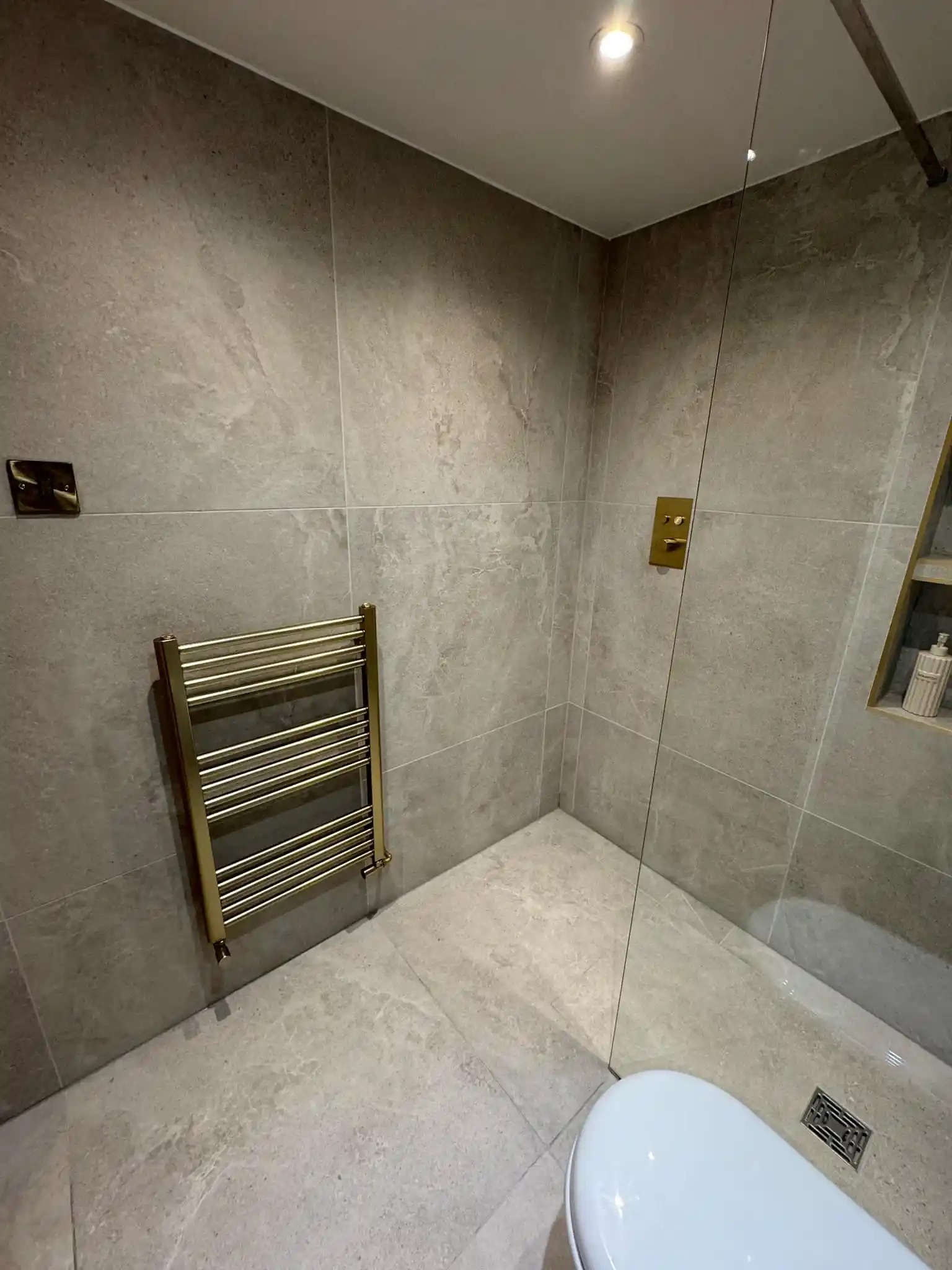
Are Bathroom Floor Tiles Worth It for Your Home?
Choosing the right bathroom floor tiles is one of the most impactful flooring decisions a UK homeowner can make, as floor tiles play a key role in both design and long-term performance.
With over a decade of hands-on experience in tiling across London, Manchester, and the wider UK, I have witnessed how high-quality bathroom flooring not only enhances a home’s style but also delivers long-term practical benefits. This guide will help you understand why investing in bathroom floor tiles is worthwhile, what types to consider, and how to make a choice that balances aesthetics, durability, and value.
Why Bathroom Floor Tiles Are a Smart Investment
Bathroom flooring is more than just a functional element. It contributes to the overall look and feel of your home while playing a crucial role in comfort, safety, and hygiene.
Here are the main reasons why bathroom floor tiles are a smart investment for UK homeowners:
-
Durability and Long-Term Value: Unlike vinyl or laminate, tiles such as porcelain or ceramic can last for decades with proper care.
-
Resale Value: Stylish, well-installed bathroom tiles can significantly boost your home’s resale appeal, especially in modern UK homes where buyers expect quality finishes.
-
Moisture and Hygiene Benefits: Tiles are water-resistant, easy to clean, and help prevent mould and damp issues in humid bathrooms.
-
Design and Style Impact: Tiles come in an endless range of colours, patterns, and textures, allowing homeowners to create modern, luxurious, or classic bathroom looks.
For authoritative guidance on home improvement and bathroom standards, UK homeowners can refer to the Planning Portal for regulations and best practices.
Types of Bathroom Floor Tiles Worth Considering
Choosing the right type of tile is essential for longevity, comfort, and style.
Here are the main options:
Porcelain Tiles
Porcelain tiles are one of the most durable choices for bathrooms. They are dense, water-resistant, and resistant to scratches and stains. Porcelain is ideal for high-traffic bathrooms and can withstand the UK’s variable humidity without warping or cracking.
Ceramic Tiles
Ceramic tiles are a cost-effective alternative, offering a wide variety of designs and finishes. They are lighter than porcelain and easier to cut and install, making them popular for DIY renovations. Ceramic is suitable for most residential bathrooms but may wear faster in very high-traffic areas.
Natural Stone Tiles
Natural stone tiles, such as marble or slate, offer a luxurious, timeless appearance. They require regular sealing to prevent staining and can be more slippery, so they are best suited for homeowners willing to invest in maintenance.
Luxury Vinyl Tiles
Luxury vinyl tiles mimic the appearance of wood or stone and are waterproof, easy to install, and low maintenance. While not as long-lasting as porcelain or stone, they are an excellent choice for budget-conscious renovations and for areas where comfort underfoot is important.
Factors That Make Bathroom Floor Tiles a Good Investment
When evaluating bathroom floor tiles, several key factors determine their long-term value:
-
Durability: Look for dense tiles with a high PEI rating for residential use to ensure they last for decades.
-
Slip Resistance: Safety is essential in wet areas. Tiles with a textured or matte finish reduce the risk of slipping.
-
Maintenance Requirements: Tiles should be easy to clean and maintain without frequent sealing or specialist products.
-
Design Flexibility: Choose tiles that complement your fixtures, walls, and overall bathroom style.
-
Compatibility with Underfloor Heating: Many modern UK bathrooms feature underfloor heating, so ensure your tiles are suitable.
These qualities are exactly what homeowners should look for when comparing floor tiles for wet and high-use areas like bathrooms.
How to Choose the Right Bathroom Floor Tiles for Your Home
Consider Room Size and Layout
Larger format tiles make small bathrooms feel more spacious and reduce grout lines, which simplifies cleaning. In larger bathrooms, smaller tiles or patterned layouts can add visual interest.
Colour, Texture, and Pattern
Neutral tones such as grey, beige, or soft stone shades work well in modern interiors and provide flexibility for changing décor. Wood-look or stone-effect tiles can add warmth and texture while maintaining practicality.
Budget vs Long-Term Value
While some premium tiles have a higher upfront cost, their durability and style often justify the investment. Choosing mid-range porcelain or high-quality ceramic can balance cost and longevity effectively.
Matching Tiles with Fixtures
Consider the colour and finish of sinks, baths, and shower trays. Coordinating tiles with fixtures creates a cohesive, polished look that adds to perceived luxury.
Bathroom vanity units should also be considered at this stage, as coordinating tile colours and finishes with vanity units creates a balanced and high-end bathroom design.
Common Mistakes to Avoid When Investing in Bathroom Floor Tiles
-
Choosing Tiles Based Solely on Price: Cheaper tiles may save money upfront but can lead to higher long-term costs due to wear and replacement.
-
Ignoring Subfloor Preparation: Uneven or unclean surfaces can lead to cracking or uneven tiles.
-
Neglecting Slip Resistance: Safety should never be compromised, especially in family bathrooms.
-
Overlooking Maintenance Requirements: Some tiles, like natural stone, require sealing and more effort to keep them looking their best.
Conclusion
Investing in bathroom floor tiles is not just about visual appeal; it is about long-term durability, safety, and value. For UK homeowners, selecting the right tile type, finish, and design ensures that your bathroom remains stylish and practical for years to come.
If you are planning renovations for your home, both inside and out, checking out Royale Stones’ guides on matching tiles and durable flooring can give you helpful ideas and inspiration
Frequently Asked Questions
How long do bathroom floor tiles last?
High-quality porcelain and ceramic tiles can last 25 to 50 years with proper care.
Are bathroom floor tiles worth the cost?
Yes, they offer durability, aesthetic appeal, safety, and a boost to home resale value.
Which bathroom floor tiles are easiest to maintain?
Porcelain and high-quality ceramic tiles are low-maintenance and resistant to moisture and staining.
Can bathroom tiles improve home resale value?
Absolutely. Modern, well-installed tiles are highly attractive to buyers and add perceived quality to a property.
Post a comment