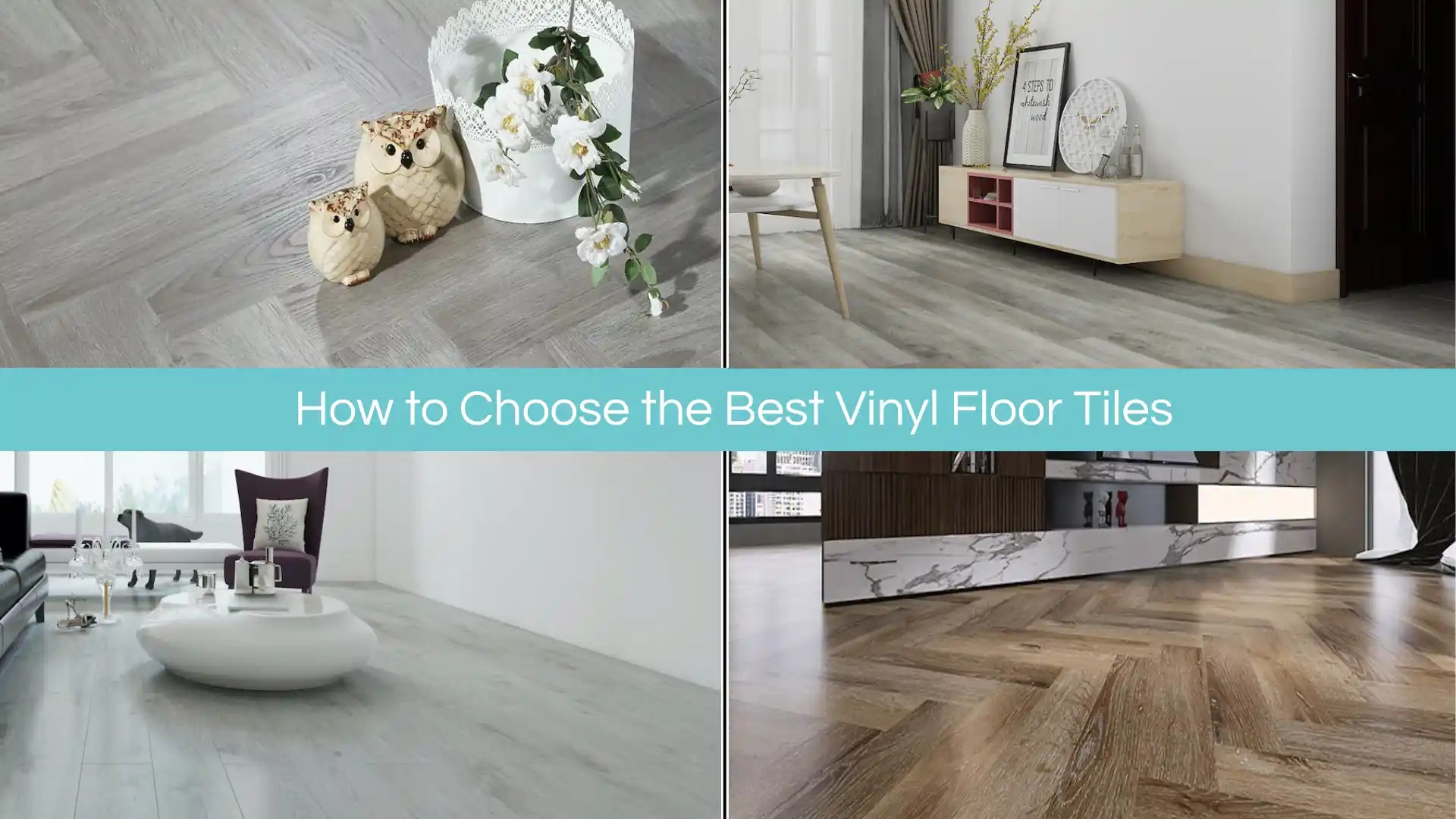
How to Choose the Best Vinyl Floor Tiles for Your Home
Choosing the right vinyl floor tiles can feel overwhelming. With so many options on the market, UK homeowners often struggle to find a solution that balances style, durability, and practicality. Having spent over a decade working with clients across London, Manchester, and the wider UK, I have seen firsthand how the correct vinyl flooring can transform a home, while a poor choice can lead to frustration, extra cost, and frequent maintenance.
This guide is written to help you make confident, informed decisions, whether you are renovating a modern apartment, updating a family home, or planning a garden-connected living space.
What Are Vinyl Floor Tiles?
Vinyl floor tiles are a versatile type of flooring designed to mimic natural materials like wood and stone while offering superior durability and ease of maintenance. Unlike sheet vinyl, which comes in large rolls, vinyl tiles are individual units that can be arranged in a variety of patterns to suit your home design.
Because of these qualities, vinyl has become one of the most popular indoor floor tiles for modern UK homes.
Homeowners often choose vinyl tiles for several reasons: they are water-resistant, comfortable underfoot, and generally easier to install than ceramic or stone alternatives. Their flexibility makes them particularly suitable for kitchens, bathrooms, and other areas prone to moisture.
Types of Vinyl Floor Tiles Explained
Understanding the different types of vinyl floor tiles is crucial to making the right choice for your home.
Luxury Vinyl Tiles
Luxury vinyl tiles, or LVT, are composed of multiple layers, including a wear layer, a printed design layer, and a durable backing. They offer high-end aesthetics, closely resembling wood or natural stone, while being resistant to scratches, stains, and daily wear. LVT is ideal for open plan living areas or spaces where you want the look of timber or stone without the associated maintenance.
Rigid Core Vinyl Tiles
Rigid core vinyl tiles, including SPC and WPC options, have a solid core that provides extra stability and resistance to warping. SPC tiles feature a stone composite core, offering exceptional durability, while WPC tiles include a waterproof wood composite core, making them slightly more comfortable underfoot. Both are excellent choices for high-traffic areas.
Peel and Stick Vinyl Tiles
Peel and stick vinyl tiles are a cost-effective, DIY-friendly option. While convenient, they are best suited for smaller spaces or temporary installations. They are generally less durable than LVT or rigid core tiles and may not perform well in areas with heavy foot traffic or underfloor heating.
Key Factors to Consider When Choosing Vinyl Floor Tiles
Selecting the right vinyl floor tiles goes beyond aesthetics. Here are the main factors I advise UK homeowners to consider:
-
Durability and Wear Layer Thickness: Look for a minimum wear layer of 0.3 millimeters for residential use, with 0.5 millimeters or more in high-traffic areas.
-
Water Resistance: Vinyl tiles should be waterproof, especially for kitchens, bathrooms, or utility rooms.
-
Comfort and Sound Reduction: Some vinyl tiles provide cushioning and reduce noise, which is beneficial in multi-storey homes or apartments.
-
Slip Resistance: Safety is vital. Check the slip rating of tiles, particularly in wet areas.
-
Maintenance Requirements: Vinyl is generally easy to maintain, but choosing a product that suits your lifestyle ensures long-term satisfaction.
For authoritative guidance on building and flooring standards, UK homeowners can refer to the NHBC, which outlines long-term durability requirements and best practices.
Choosing Vinyl Floor Tiles by Room
Different rooms place different demands on flooring, so choosing the right vinyl tile for each space is critical.
Living Rooms and Open Plan Spaces
Large-format luxury vinyl tiles work best here. They create a seamless, sophisticated appearance and minimize grout lines, making spaces feel larger. Matte finishes are often more practical than high-gloss in areas with children or pets.
Kitchens
Kitchens require water-resistant tiles that are easy to clean and maintain. Textured LVT or rigid core tiles offer both slip resistance and durability, making them ideal for high-use areas.
Bathrooms
Bathrooms need tiles that handle moisture without compromising safety. Textured, waterproof vinyl tiles are perfect for floors, while lighter colours can help brighten smaller spaces. Avoid glossy finishes in wet areas to reduce slipping hazards.
Bedrooms
In bedrooms, comfort and warmth are key. Wood-effect LVT tiles provide a cozy feel while remaining easy to maintain. These tiles are compatible with underfloor heating systems, which are becoming more popular in modern UK homes.
Design and Style Considerations
Vinyl floor tiles are not just functional; they play a key role in the aesthetics of your home.
-
Wood vs Stone Effect: Wood-effect tiles offer warmth, while stone-effect tiles provide a contemporary, sleek look.
-
Colour Choice: Neutral tones such as soft greys, beige, or subtle browns suit modern interiors and offer flexibility for furniture and decor.
-
Tile Size and Layout: Large format tiles create an open, airy feel, whereas smaller tiles can add character and definition to compact rooms.
For UK homeowners looking for complementary outdoor paving options, the Royal Horticultural Society offers expert guidance on garden-friendly materials that harmonise with indoor flooring.
Common Mistakes to Avoid When Buying Vinyl Floor Tiles
Even experienced homeowners can make avoidable errors when selecting vinyl flooring.
-
Choosing a tile with too thin a wear layer, which will wear quickly
-
Ignoring subfloor preparation, leading to uneven surfaces or cracking
-
Focusing solely on price instead of durability and practicality
-
Overlooking slip resistance, particularly in wet or high-traffic areas
Conclusion
Selecting the right vinyl floor tiles requires balancing aesthetics, practicality, and durability. For UK homeowners, luxury vinyl tiles and rigid core options generally provide the best combination of style, comfort, and resilience. By considering room-specific requirements, design preferences, and long-term maintenance, you can choose flooring that enhances both the functionality and beauty of your home.
Frequently Asked Questions
Are vinyl floor tiles waterproof?
Yes, most modern vinyl tiles are fully waterproof, making them suitable for kitchens, bathrooms, and utility rooms.
How long do vinyl floor tiles last?
High-quality luxury vinyl tiles can last 15 to 25 years with proper care.
Are vinyl floor tiles compatible with underfloor heating?
Yes, especially LVT and rigid core tiles. Always check manufacturer guidelines.
Do vinyl tiles scratch easily?
Vinyl is durable, but the scratch resistance depends on the wear layer. Thicker wear layers offer better protection.
Post a comment