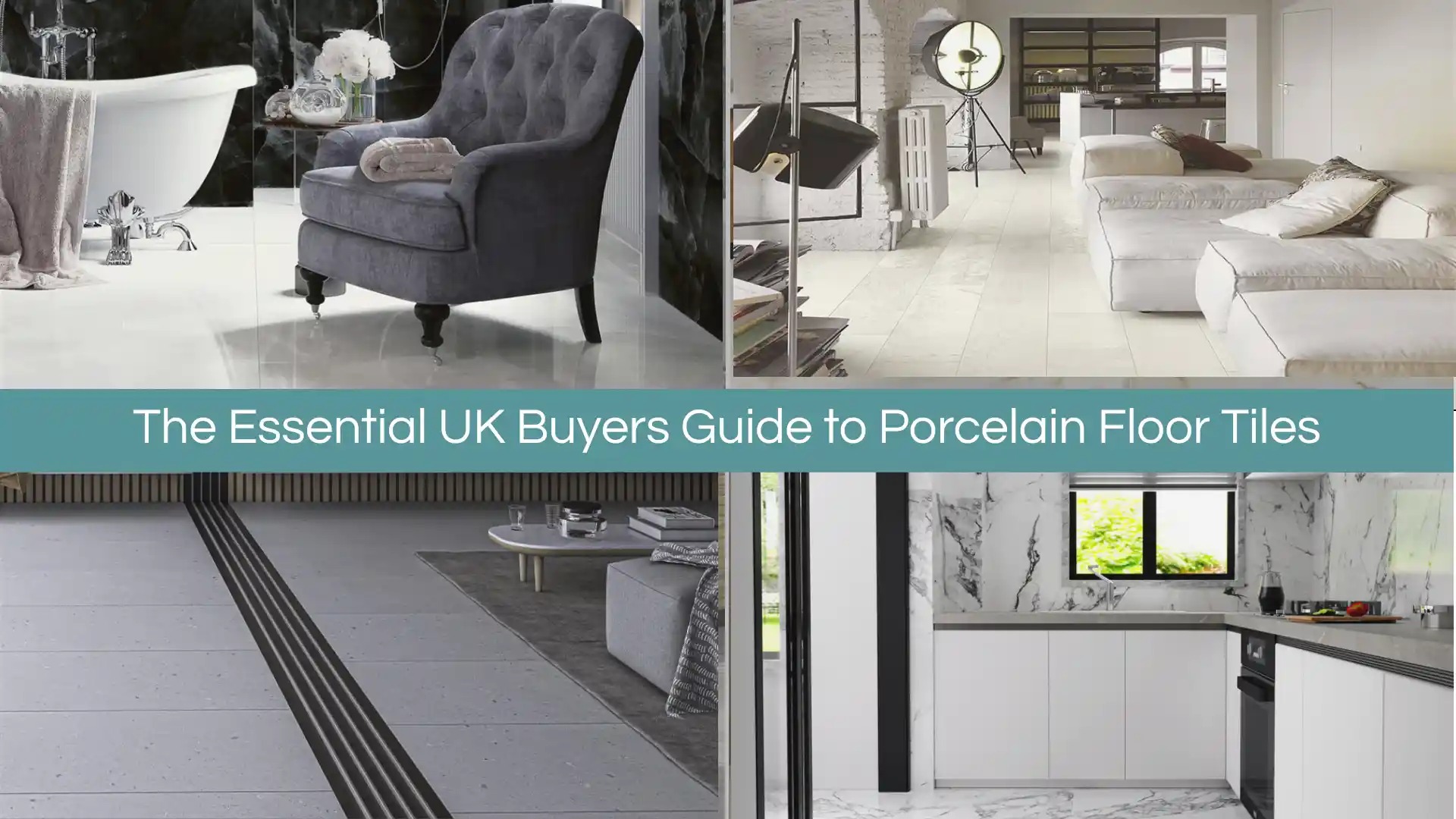
The Essential UK Buyers Guide to Porcelain Floor Tiles
Stepping into a home with high-quality porcelain flooring instantly enhance its character. Porcelain floor tiles combine timeless style with exceptional durability, making them ideal for busy UK households. From kitchens to bathrooms and open-plan living areas, these tiles provide both functional performance and aesthetic appeal. This guide equips homeowners with everything they need to select, style, and install porcelain floor tiles with confidence.
What Makes Porcelain Floor Tiles Unique
Porcelain tiles are fired at higher temperatures than ceramic, producing a dense, low-porosity material. This density gives porcelain exceptional durability, water resistance, and suitability for high-traffic areas. In the UK, porcelain is preferred for bathrooms and kitchens due to its reliability under humid conditions and ability to withstand foot traffic without showing wear.
Porcelain vs Ceramic Explained
While porcelain and ceramic appear similar, their manufacturing differences create significant performance variations. Porcelain is made from a refined mix of white clay, sand, and feldspar and is fired at higher temperatures. The result is a stronger, harder, and more water-resistant tile. Ceramic tiles, although suitable for walls and light-traffic areas, do not match the density, durability, or moisture resistance required for most UK flooring applications.
Technical Specifications for UK Homes
Understanding key technical specifications ensures you choose tiles suitable for your environment.
Water Absorption:
Porcelain absorbs less than 0.5% of moisture, ideal for bathrooms and kitchens.
PEI Rating:
Choose PEI 4 or 5 for floor tiles in high-traffic areas. Lower PEI is suitable for walls.
R Ratings (Slip Resistance):
BSI recommends R10 or above for residential floors likely to get wet. BSI UK Reference
Frost Resistance:
Porcelain is frost-resistant, making it suitable near doorways exposed to winter weather.
Expert Tip: Verify that the supplier provides tiles that meet BS EN 14411 standards for floor use.
Shop non-slip porcelain tiles for safety and style. Ideal for bathrooms, kitchens and high traffic areas.
Porcelain and Underfloor Heating Compatibility
Porcelain tiles work excellently with both electric and water-based underfloor heating systems. Their density distributes heat evenly, improving comfort during colder months. Use a flexible adhesive rated for underfloor heating to prevent tile movement or cracking.
Style and Design Inspiration
Porcelain offers nearly limitless design possibilities, combining beauty and function.
Stone and Marble Effects: Achieve the luxury of marble or stone without the maintenance, while retaining a neutral colour palette that suits British interiors.
Wood Effect Porcelain: Enjoy the warmth of timber floors without the risk of warping or water damage.
Matt Finishes: Reduce glare and create a soft, contemporary appearance.
Large Format Tiles: Expert Advice
Large format tiles are increasingly popular for their sleek, modern appearance and ability to create a visually unbroken floor. However, their installation requires careful attention to prevent common issues.
Lippage Risk
Large tiles can sit unevenly if the subfloor is not perfectly level, creating lippage where edges do not align. To avoid this:
-
Use a professional tile levelling system during installation.
-
Choose S1 grade flexible adhesive, suitable for large formats and underfloor heating.
-
Ensure the subfloor is properly levelled before tiling, particularly on older UK homes.
Expert Tip: Correct levelling and adhesive choice not only prevents lippage but also prolongs tile lifespan and maintains a flawless, high-end finish.
Cutting and Handling
Large format tiles are heavier and more fragile during cutting. Use specialist cutters and plan layouts carefully to reduce waste and achieve clean edges.
Explore large format porcelain tiles for a seamless look. Create open modern spaces with fewer grout lines.
Non Slip Ratings for Safety
Safety is critical in wet areas. For UK homes, R10 or R11 ratings are recommended in bathrooms, kitchens, and entrances. Non-slip porcelain minimises the risk of accidents, providing peace of mind for families.
Cost and Long-Term Value
High-quality porcelain ranges from £25 to £45 per square metre. Installation may exceed tile costs, especially for large format tiles.
Long-Term Value: While upfront costs are higher, PEI 4-5 durability, low maintenance, and resistance to moisture mean you avoid costly replacements or sealing over decades. Porcelain offers unmatched longevity compared to most other flooring materials.
Installation Essentials and Movement Joints
Successful porcelain floor tile installation is about precision and planning. Beyond adhesives and levelling, movement joints are critical to prevent stress cracking.
Movement Joint Guidance
-
Typically required every 40 square metres and at doorways or changes of direction.
-
They allow the floor to expand and contract with temperature and humidity changes, which is especially important in UK homes with underfloor heating.
Grout and Maintenance
Porcelain is non-porous and easy to clean. Routine washing with a pH-neutral cleaner is sufficient. Seal grout annually to maintain a pristine finish.
Installer Vetting
Porcelain’s density makes it unforgiving. Choose installers who are familiar with levelling systems, S1 adhesives, and cutting large tiles. This ensures the investment results in a perfectly flat, durable floor.
Expert Tip: A qualified installer who follows these technical precautions protects your investment and prevents long-term flooring issues.
Find the perfect porcelain floor tile options for your home. Durable, versatile and built to last in UK conditions.
Choosing the Right Supplier
A reliable supplier should offer:
-
Extensive porcelain collections
-
Clear technical specifications
-
Samples for home testing
-
Advice on suitability
-
Access to trained installers
Conclusion
Porcelain floor tiles offer the perfect combination of style, durability, and long-term value for UK homes. Selecting high-quality tiles, understanding technical specifications, and engaging experienced installers ensures your floors remain stunning and functional for decades.
Explore premium porcelain floor tiles at Royale Stones and request free samples today.
Frequently Asked Questions
Are porcelain floor tiles suitable for UK bathrooms?
Yes. Porcelain’s low water absorption and availability in non-slip finishes make it ideal for bathrooms.
Do porcelain tiles work with underfloor heating?
Absolutely. Porcelain conducts heat evenly, making it a perfect match for both electric and water-based systems.
Are porcelain tiles hard to maintain?
Not at all. The non-porous nature of porcelain means a simple sweep and routine wash with a pH-neutral cleaner is all that is required for maintenance.
What thickness is best for porcelain floor tiles?
Most UK homes use tiles 8–10 millimetres thick for durability and ease of installation.
Can porcelain tiles be used in living areas?
Yes. Porcelain is suitable for all indoor spaces including open plan living areas and high-traffic zones.
Post a comment