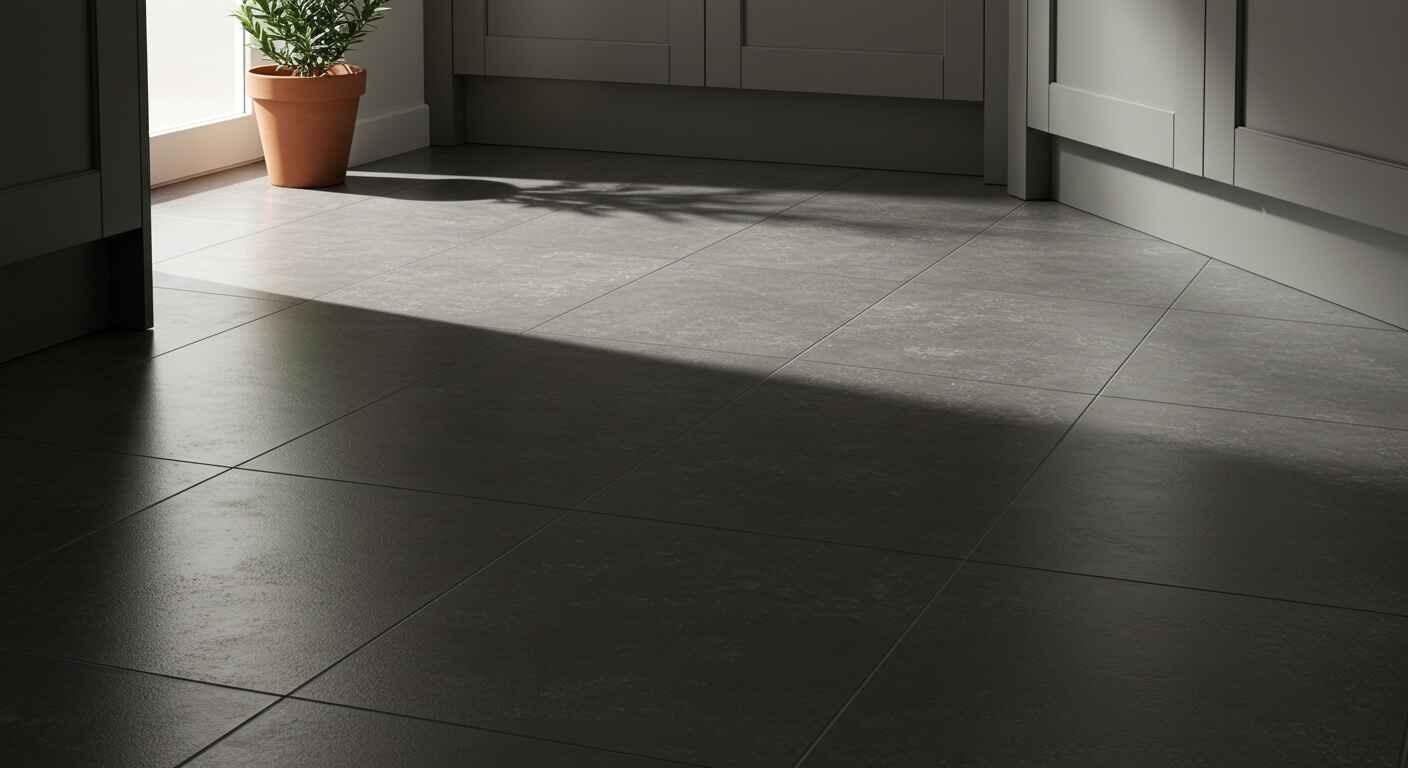
Kitchen Floor Tiles for Underfloor Heating | Ultimate UK Guide
You've got a vision. That dream kitchen with an island, a space that's the heart of your home. But in the middle of a cold British winter morning, the reality of a freezing floor can quickly shatter that dream. It's a common dilemma for UK homeowners: how do you create a beautiful, durable kitchen space that's also warm and welcoming?
For decades, the answer has been a carefully considered underfloor heating system. But to make that investment truly pay off, you need the right floor covering. This is where tiles come in. They are not just a stylish choice; they are the most effective partner for underfloor heating, creating a comfortable, evenly heated surface that radiators simply cannot match. This guide will walk you through every step of choosing the perfect kitchen floor tiles for your project, from the science of heat transfer to the latest design trends.
The Big Question: Why Choose Tiles for Underfloor Heating?
When it comes to home improvements, UK homeowners are increasingly focused on energy efficiency, with more than half of those surveyed making such upgrades in recent years. This trend makes underfloor heating a compelling choice. While many floor coverings are compatible with these systems, ceramic and
Porcelain tiles are widely regarded as the best option, and there is a simple scientific reason for this.
Tiles possess high thermal conductivity. This means they are incredibly efficient at absorbing heat from the underfloor system and transferring it evenly to the surface of your kitchen floor. The result is a room that heats up quickly and stays warm for longer, even after the heating is switched off. This provides a constant, comfortable warmth that eliminates cold spots and can significantly reduce your reliance on traditional heating. Furthermore, with
floor tiles making up more than 63% of the UK's ceramic tiles market, their proven durability makes them an ideal choice for high-traffic areas like kitchens.
Porcelain vs. Ceramic: Choosing the Right Material for Your Kitchen
Deciding between porcelain and ceramic tiles is a common question, and understanding their differences is key to making the right choice for a kitchen with underfloor heating.
Porcelain Floor Tiles: The Modern Kitchen Powerhouse
Porcelain is a popular choice for indoor tiles in kitchens, and for good reason. It is denser and less porous than ceramic, making it highly resistant to water, spills, and stains a must-have for a busy kitchen. This low porosity also means porcelain is incredibly durable, with a higher resistance to scratches and wear, making it perfect for the constant foot traffic a kitchen receives. The material's density allows it to conduct heat exceptionally well, ensuring your underfloor heating system operates at peak efficiency. From a design perspective, the advances in manufacturing techniques have made it possible to create porcelain tiles that perfectly mimic the look of natural materials like wood, marble, and stone, without any of the associated maintenance.
Ceramic Kitchen Tiles: A Practical and Affordable Choice
Ceramic kitchen tiles are a classic option, known for their affordability and versatility. They are lighter and easier to cut than porcelain, which can make installation quicker. Glazed ceramic tiles offer a durable, easy-to-clean surface that is great for kitchen walls and low-traffic areas. While they are not as dense as porcelain, they are still highly effective at conducting heat from an underfloor heating system. For homeowners on a budget or those looking for a simple, practical
kitchen flooring solution, ceramic tiles offer a wide variety of styles and colours that can achieve a stunning look without the higher price point of porcelain or natural stone.
Beyond Material: Key Factors to Consider for Your Kitchen Floor
Selecting the right material is only the first step. You also need to consider the visual and practical elements that will define your space.
Size and Format: Creating a Sense of Space
The size of your floor tiles can dramatically alter the perception of your kitchen. Large format tiles with fewer grout lines create a sleek, seamless, and modern look, and are particularly effective in making smaller kitchens or open-plan living spaces feel more expansive. For a more traditional or classic feel, you might consider smaller squares or even patterned and
wood effect tiles that add character and visual interest.
The Finish: Matt vs. Gloss
The finish you choose is both an aesthetic and a practical decision. Matt tiles offer a soft, natural look with a subtle, non-slip texture, making them a safe choice for kitchens where spills are common. Glossy tiles, on the other hand, reflect light beautifully, making a room feel brighter and larger. While they are incredibly easy to wipe down, they can be more slippery when wet. For
kitchen tiles over underfloor heating, a matt or textured finish is often recommended for safety and comfort.
Style and Design Trends for 2025
Homeowners are increasingly looking for ways to express their individuality. This has led to a rise in popularity for tiles that replicate the look of natural materials. Marble effect floor tiles, for example, are a timeless choice that adds a touch of sophistication and luxury to any kitchen without the expense or maintenance of real marble. For a rustic, earthy feel,
wood effect tiles provide the warmth and charm of timber with the durability and easy maintenance of tile. Both these options are highly compatible with underfloor heating, allowing you to achieve the perfect style without compromising on comfort.
Your Actionable Buyer's Checklist for a Perfect Kitchen Floor
Ready to get started? Use this simple checklist to ensure a smooth renovation process.
- Measure Up Accurately: Measure your room's total square footage and add at least 10% for cuts and wastage.
- Check Underfloor Heating Compatibility: Confirm that your chosen underfloor heating tiles are suitable for the system you have in place.
- Choose the Right Adhesive and Grout: Use a flexible, high-quality tile adhesive and a grout that matches or complements your chosen finish.
- Assess Slip Resistance: For kitchens, prioritise a finish with a higher slip-resistance rating, especially in areas prone to splashes.
- Plan Your Layout: Consider the tile size and how it will impact the feel of your room.
- Get a Sample: Never buy without seeing and feeling a sample in your home. Colours can look different under your kitchen's lighting.
- Source Your Installer: If you're hiring a professional, ensure they are experienced in fitting the specific type of floor tiles you've chosen and ask for a detailed breakdown of costs.
Ready to feel the warmth?
Browse our full range of Indoor tiles today and find the perfect finish for your kitchen.
FAQs About Underfloor Heating and Kitchen Tiles
Q: Are all tiles suitable for underfloor heating?
While most tiles can be used, ceramic and porcelain are widely considered the best options because of their excellent thermal conductivity. Thicker tiles may take slightly longer to heat up but will retain heat for longer.
Q: Will my tiles crack from the heat?
Cracking is a rare but possible risk if the installation is not done correctly. It is essential to use a flexible tile adhesive and, in some cases, a decoupling membrane to prevent movement in the sub-floor from affecting the tiles.
Q: How do I clean and maintain my tiled kitchen floor?
One of the major benefits of kitchen tiles is their low maintenance. For daily cleaning, a simple sweep and mop with a pH-neutral cleaner is all that's needed. For natural stone options, occasional sealing may be required to protect the surface.
Conclusion:
The decision to install underfloor heating and floor tiles is a commitment to creating a comfortable, stylish, and durable kitchen for years to come. By choosing the right materials, such as high-performance porcelain, and planning your design with care, you can transform your kitchen into a warm, inviting space that is both beautiful and highly functional. It's an investment in the long-term enjoyment and value of your home.
Prefer to see and feel the quality for yourself?
Why not visit our tile showroom? Our experts are on hand to help you choose the right indoor tiles for your project.
Continue Reading:
Planning more than just a kitchen upgrade? Here’s a guide on Choosing Living Room Tiles every UK homeowner should see.
Still exploring options? Discover the difference at our Tile Showroom in Lincoln.
Post a comment