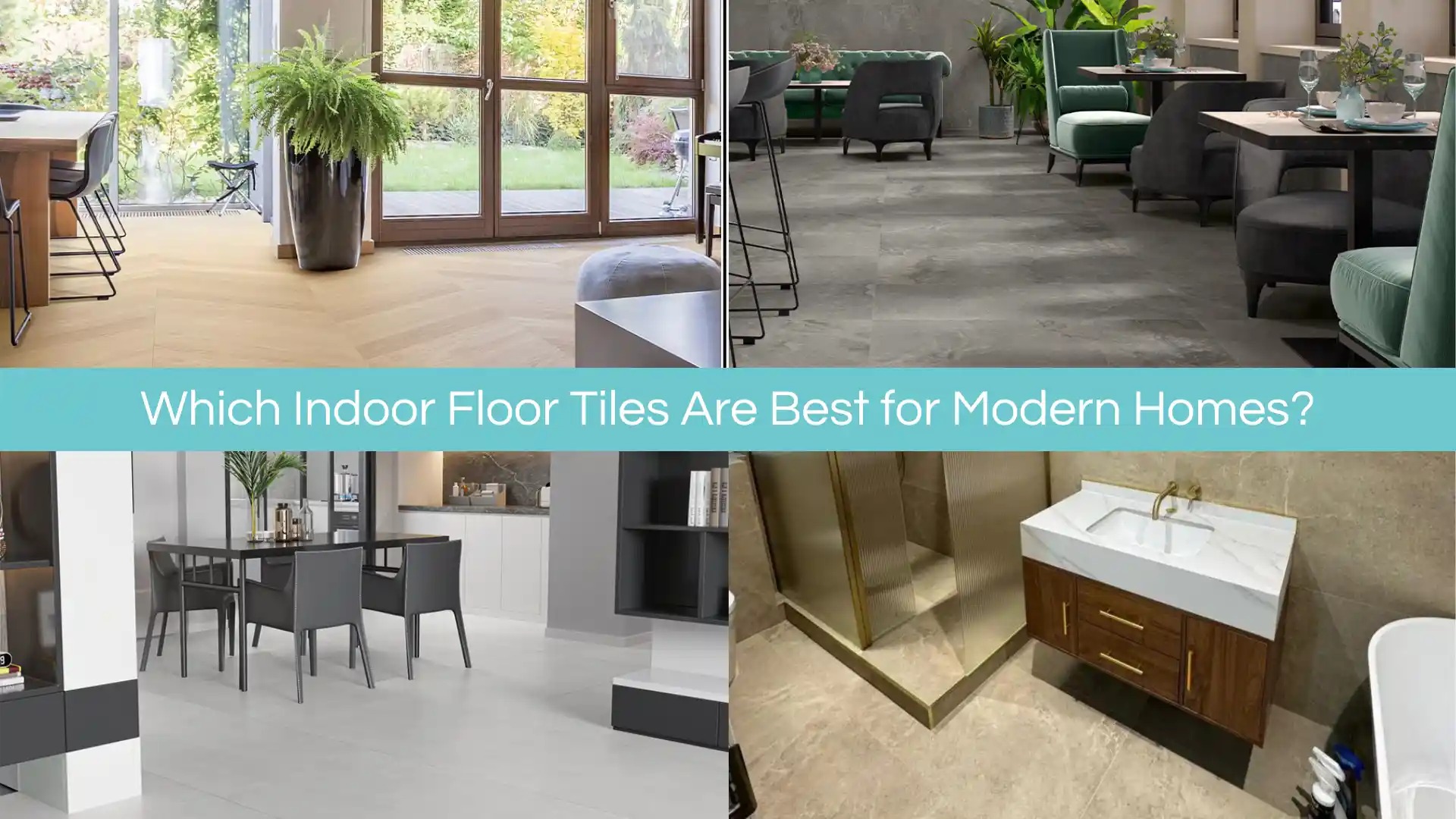
Which Indoor Floor Tiles Are Best for Modern Homes?
Choosing the right indoor floor tiles is one of the most important decisions you will make when updating a modern home. After more than a decade working hands on with homeowners across the UK, I have seen how the right tile choice can completely transform a space while the wrong one can cause long term frustration, maintenance issues, and unnecessary cost.
This guide is written specifically for UK homeowners who want a modern, practical, and long lasting flooring solution. It answers the real questions buyers ask before committing to indoor floor tiles and is designed to help you make a confident, informed decision that works both visually and practically.
What Defines Indoor Floor Tiles for Modern Homes?
Modern homes in the UK are no longer about purely aesthetic design. They are about functionality, clean lines, and materials that suit busy lifestyles.
Indoor floor tiles suited to modern homes typically share a few defining characteristics. They have a refined, uncluttered appearance, often in neutral or earthy tones. They work seamlessly across open plan layouts and cope well with daily foot traffic, heating systems, and changing British weather conditions.
Modern indoor tiles are also chosen for their low maintenance nature. Homeowners increasingly want floors that look good without constant upkeep. This is why durable, stain resistant, and easy to clean tile surfaces have become the standard rather than the exception.
Best Types of Indoor Floor Tiles for Modern Homes
Not all tiles perform the same way, especially in UK homes where moisture, heating systems, and temperature changes play a role.
Porcelain Tiles as the Best All Round Choice
Porcelain tiles are the most reliable option for modern UK homes. They are manufactured at high temperatures, making them extremely dense and resistant to water absorption. From my experience fitting flooring in everything from London apartments to family homes in the Midlands, porcelain consistently outperforms other materials.
They are suitable for living rooms, kitchens, hallways, and bedrooms. They also pair exceptionally well with underfloor heating, which is increasingly popular in modern builds and renovations.
Ceramic Tiles for Budget Conscious Modern Homes
Ceramic tiles are a good option where budget is a key consideration. They are lighter than porcelain and easier to cut and install, which can reduce labour costs. Ceramic tiles work best in lower traffic areas such as bedrooms or home offices.
However, they are not as dense as porcelain, so they may show wear more quickly in busy family homes. This is something I always advise clients to consider before making a final choice.
Vitrified Tiles for a Premium Contemporary Look
Vitrified tiles are known for their sleek appearance and minimal porosity. They are often chosen for modern homes that prioritise a seamless, polished finish across large spaces.
These tiles are particularly effective in open plan living areas where consistency and visual flow are important. When installed correctly, they create a high end finish that works beautifully with minimalist interiors.
Natural Stone Tiles and Their Limitations
Natural stone tiles such as marble or limestone offer timeless beauty, but they are not always the most practical choice for modern UK homes. They require sealing, careful maintenance, and a greater investment over time.
I usually recommend stone tiles only where homeowners are fully aware of the upkeep involved and are committed to maintaining them properly.
Which Indoor Floor Tiles Work Best in Each Room?
Different rooms place different demands on flooring. Choosing the right tile for each space ensures durability and comfort.
Living Rooms and Open Plan Areas
For living rooms, large format porcelain tiles are the best option. They create a clean, modern look with fewer grout lines, making spaces feel larger and more cohesive. Matte finishes tend to perform better than high gloss, especially in homes with children or pets.
Kitchens
Kitchens require tiles that can handle spills, stains, and frequent cleaning. Porcelain tiles with a subtle texture offer the best balance of safety and style. Slip resistance is essential here, particularly in busy family kitchens.
Bedrooms
Bedrooms benefit from tiles that bring warmth and comfort. Wood effect porcelain tiles are extremely popular in modern UK homes as they offer the look of timber with the durability of tile. They also work well with underfloor heating systems.
Bathrooms
Bathrooms demand tiles with strong slip resistance and low water absorption. Textured porcelain tiles are the safest and most reliable choice. Avoid highly polished surfaces in wet areas, as they increase the risk of slipping.
Key Factors to Consider Before Choosing Indoor Floor Tiles
From years of on site experience, these are the factors that most often separate a successful flooring project from a disappointing one.
Durability is crucial, especially in high traffic areas. Tile ratings and thickness matter more than appearance alone.
UK homeowners should also be aware that recognised building and flooring standards are outlined by the NHBC, helping ensure indoor floor tiles meet long term durability and performance expectations.
Slip resistance is another key consideration, particularly in kitchens, bathrooms, and hallways.
Tile size and layout should suit the room proportions. Larger tiles work well in open spaces, while smaller formats can suit compact rooms.
Finish choice affects both safety and maintenance. Matte tiles tend to hide marks better and require less frequent cleaning.
Maintenance requirements should always match your lifestyle. If you want low effort upkeep, porcelain is the safest option.
Trending Indoor Floor Tile Designs for Modern Homes
Modern UK interiors are currently favouring subtle, natural inspired designs.
Wood effect tiles remain one of the strongest trends due to their warmth and practicality.
Concrete effect tiles are popular in urban and industrial style homes, offering a clean and contemporary look.
Neutral tones such as soft greys, beige, and warm stone colours dominate modern interiors, as they allow flexibility in furniture and decor.
Large format tiles continue to grow in popularity, particularly in open plan layouts where visual continuity is important.
Common Mistakes to Avoid When Choosing Indoor Floor Tiles
One of the biggest mistakes I see is choosing tiles purely based on appearance without considering performance.
Glossy tiles in wet areas often lead to safety concerns.
Failing to order spare tiles can cause problems if replacements are needed later.
Ignoring subfloor preparation can result in cracking or uneven finishes over time.
Not considering future resale value is another oversight. Neutral, modern tiles tend to appeal to a wider range of buyers.
Final Thoughts
The best indoor floor tiles for modern homes are those that balance design, durability, and everyday practicality. In most UK homes, porcelain tiles offer the most reliable solution across all rooms, providing long term value and peace of mind.
If you are planning a renovation, take the time to choose tiles that suit your lifestyle as well as your interior style. A well chosen tile floor should serve your home beautifully for decades.
Frequently Asked Questions
Which indoor floor tiles last the longest
Porcelain tiles offer the best longevity due to their density and resistance to wear.
Are matte tiles better than glossy tiles
In most UK homes, matte tiles are more practical as they are safer and easier to maintain.
What tile size works best for modern homes
Large format tiles generally suit modern interiors best, especially in open plan spaces.
Are porcelain tiles suitable for every room
Yes, porcelain tiles can be used throughout the home, including bathrooms and kitchens.
Post a comment